Overview
Patient Xperience Boost (PXB) is a groundbreaking concept that was launched in the USA, with the primary goal of revolutionizing the way patients provide feedback to medical facilities and practitioners. PXB aims to streamline the process of managing, analyzing, and enhancing the level of care offered by healthcare providers. PXB, a dynamic healthcare technology company, partnered with hospitals to bring this innovative concept to life. The core idea behind PXB is to connect patients with their healthcare teams, empower them to provide valuable feedback, and enable hospitals to use this data to improve their services. This case study delves into the challenges faced, our approach, the results achieved, and the overall conclusion of this transformative project.
The Challenge
One of the significant challenges we encountered was establishing a seamless connection between patients and hospitals, accounting for the varying Electronic Medical Record (EMR) systems used by each healthcare facility. Additionally, as a new entrant in the market, we needed to develop a user-friendly web and mobile application for both hospital staff and patients. These applications had to be intuitive, engaging, and cater to the unique needs of each user group.
Our Approach
To address these challenges effectively, we adopted a comprehensive approach that included user
research, wireframing, design iterations, and continuous stakeholder engagement.
User Research: Our journey began with a deep dive into understanding our user base,
which comprised both hospital staff and patients. We gathered insights, aspirations, expectations, and
product preferences from stakeholders. This user research formed the foundation for our subsequent design
decisions.
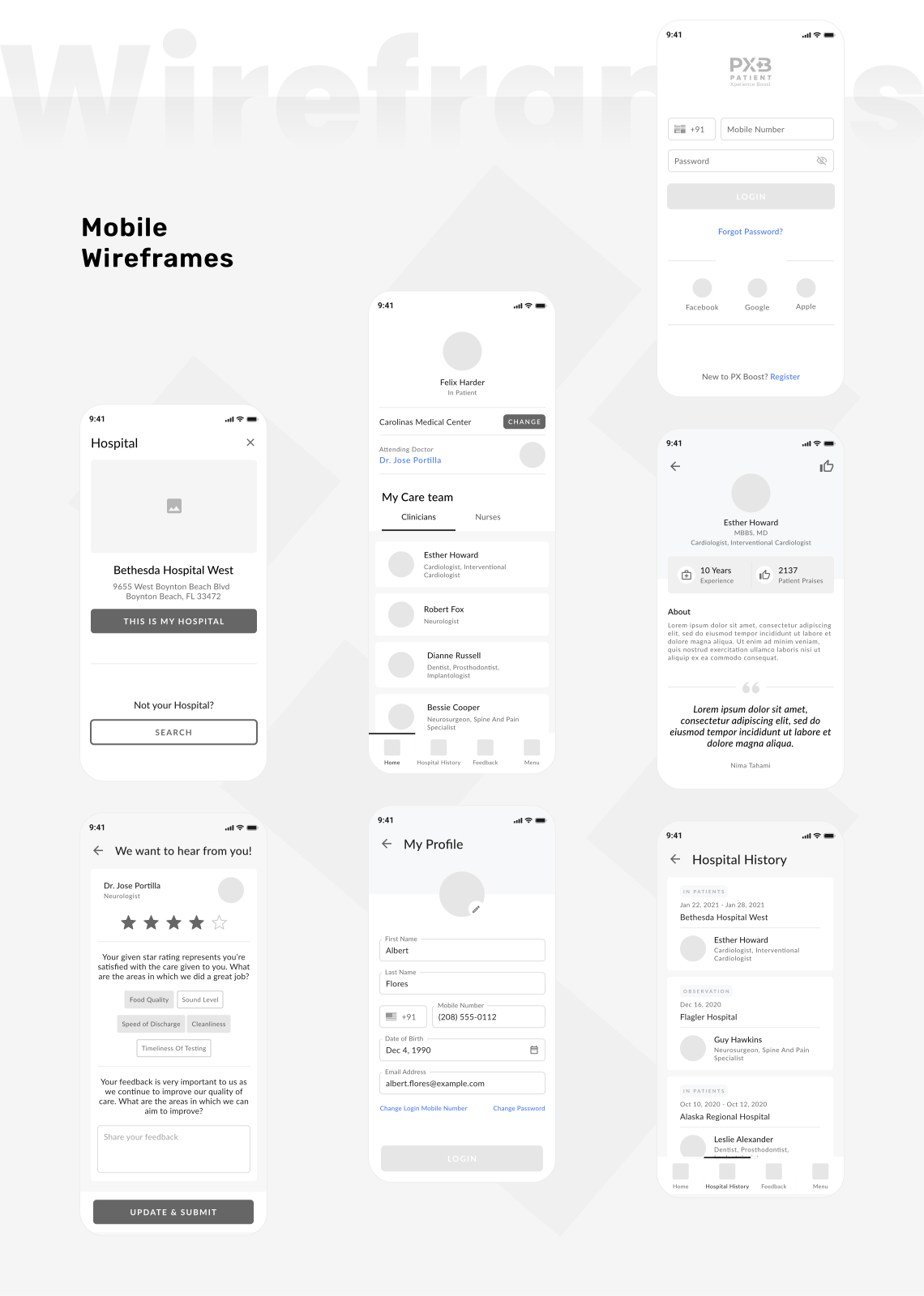
Wireframing: We created low and high-fidelity wireframes for both the web and mobile
platforms. These wireframes focused on:
•
Onboarding hospitals efficiently to maximize user retention.
•
Crafting a seamless feedback flow for hospital staff and patients.
•
Developing insightful dashboards and statistics for hospital
staff.
Stakeholder Engagement: Throughout the design process, we maintained an open line of
communication with stakeholders. Regular design sync calls ensured that we received ongoing feedback and
valuable insights. This collaborative approach enabled us to align our designs with development constraints
and potential integrations
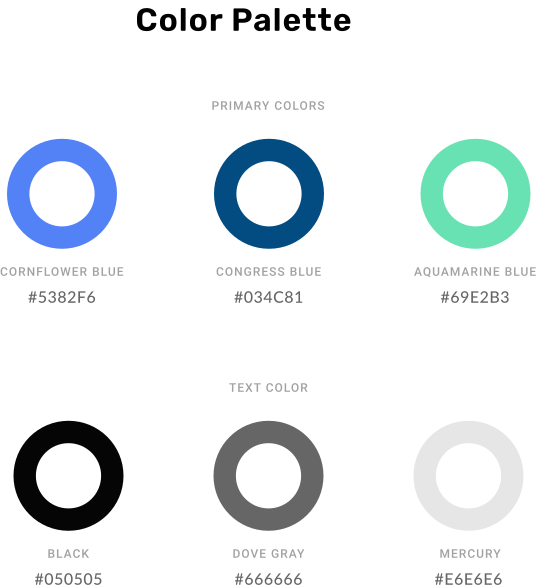
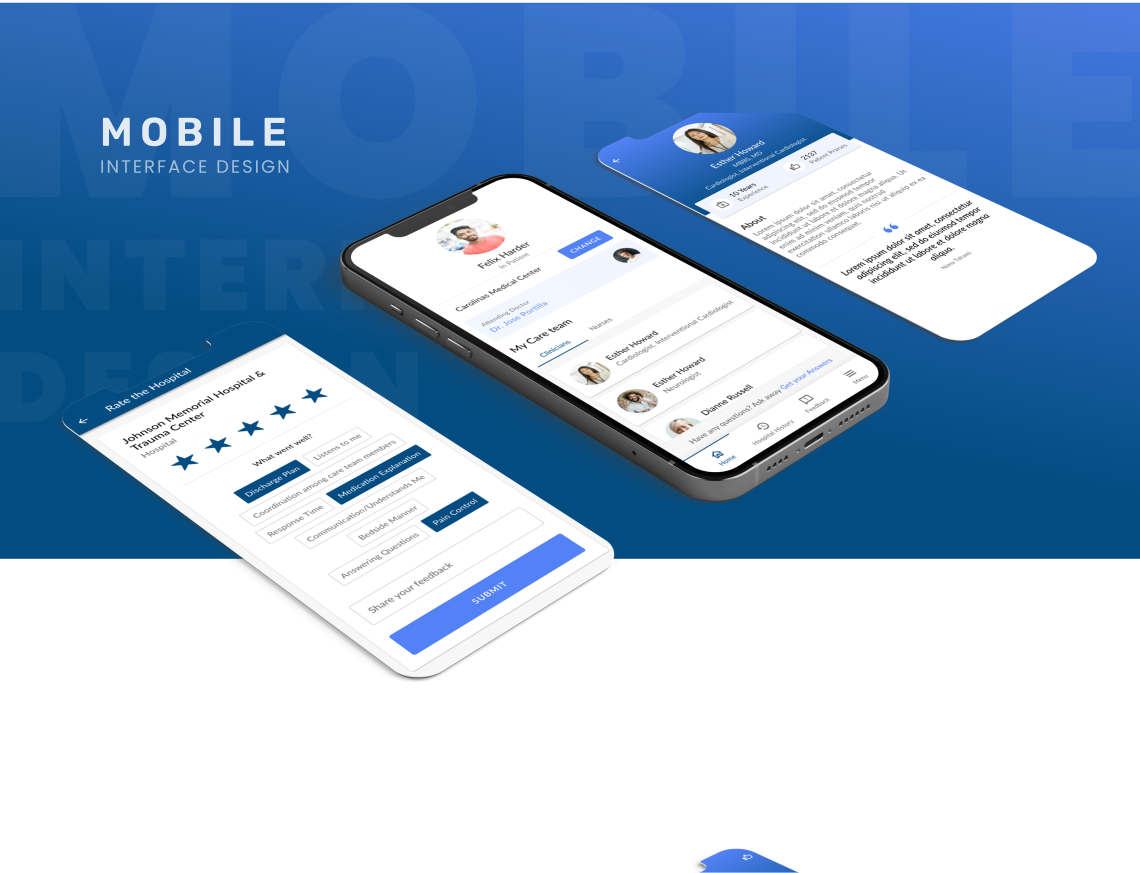
UI Design: Once the wireframe structure was finalized, we transitioned into the user
interface (UI) design phase. Here, we researched and selected color palettes, design languages, and fonts
that resonated best with the healthcare context. We meticulously designed web and mobile applications
tailored to the specific needs of hospital staff and patients.
The Results
Our efforts culminated in the successful creation of user-friendly web and mobile applications for PXB. The
results were remarkable:
•
Hospitals experienced improved patient engagement and satisfaction.
•
Patients found it easier to provide feedback and engage with their healthcare teams.
•
Hospital staff had access to comprehensive dashboards and statistics to make data-driven improvements.
•
A significant increase in the number of hospitals onboarded, leading to enhanced user retention.
Conclusion
The Patient Xperience Boost project showcased the power of design thinking and user-centric approaches in the healthcare industry. By addressing the challenges of EMR system integration, user engagement, and feedback management, we successfully created a platform that benefits both patients and healthcare providers. The project exemplifies the positive impact that technology can have on enhancing patient experiences and driving improvements in healthcare services.

Patient Xperience Boost” has been a game-changer for our hospital. It has not only improved patient satisfaction but also provided our staff with invaluable insights into our services. The AcmeMinds team’s design and development work exceeded our expectations.
-Dr. Emily Thompson, CMO, XYZ Hospital